Why Sump Pumps Fail and What That Means for Your Basement
A sump pump is a single point of failure protecting tens of thousands of dollars in finished basement, mechanicals, and stored belongings. When it dies, the failure mode determines almost everything about your cleanup: how fast water rises, whether the water is clean or contaminated, what your deductible looks like, and how aggressive the drying plan needs to be. In central Indiana, the clay-heavy soil around Holliday Farms holds water against the foundation longer than sandy soils elsewhere, which means a pump that quits during a April or June storm can put two to four inches of water on a slab before you ever notice the silence.
The five failures we see most often in Holliday Farms homes are power loss during a storm, a stuck or broken float switch, a burned-out motor from age or constant cycling, a frozen or clogged discharge line, and a pump that was simply undersized for the basin. Each one looks identical from your end (a wet basement), but each one carries different implications for restoration scope, insurance coverage, and replacement strategy. The table below lays them out the way our IICRC-certified estimators evaluate them on site.
| Failure Type | Typical Cause | Water Volume on Slab | IICRC Water Category | Restoration Cost Range | Insurance Outlook | Replacement Strategy |
|---|---|---|---|---|---|---|
| Power loss during storm | Grid outage, no battery backup | 2 to 6 inches | Cat 1 if clean groundwater, Cat 2 if mixed | $2,800 to $9,500 | Often denied without sump/sewer rider | Add battery or water-powered backup |
| Float switch stuck | Debris, tether tangle, age | 1 to 4 inches | Cat 1 to Cat 2 | $1,900 to $6,200 | Possible with rider; document failure | Replace switch or full pump if over 7 years |
| Motor burnout | Pump older than 8 to 10 years | 3 to 8 inches | Cat 2 typical | $3,400 to $12,000 | Wear-and-tear exclusion likely | Full replacement, upgrade to 1/2 HP cast iron |
| Frozen or clogged discharge | Ice in winter, sediment buildup | 2 to 5 inches | Cat 1 to Cat 2 | $2,400 to $7,800 | Sometimes covered as sudden event | Insulated discharge, freeze guard fitting |
| Undersized pump | Wrong HP for basin or water table | 4 to 10 inches | Cat 2, sometimes Cat 3 | $5,500 to $18,000 | Mixed, depends on policy language | Upsize to 1/2 or 3/4 HP, add secondary pump |
Read that table slowly. The cost ranges assume a partially finished basement with drywall, baseboards, carpet pad, and some stored contents. If your basement is fully finished with engineered hardwood, built-ins, or a home theater, the upper end shifts higher. If it is bare concrete with a furnace and a workbench, you will sit at the lower end. The category of water matters more than most homeowners realize. Category 1 is clean groundwater and can often be extracted, dried, and saved without tearing out materials. Category 2 (gray water with some contamination) usually means cutting drywall twelve to twenty-four inches up and discarding carpet pad. Category 3 means full demolition of porous materials, antimicrobial treatment, and the involvement of a sewage cleanup protocol if the backup involved the sanitary line.
Worth noting: water category can shift over time. A clean Cat 1 groundwater intrusion sitting on a slab for 48 hours becomes Cat 2 as it picks up dust, organic matter, and bacteria from the floor. This is one of the strongest arguments for calling a restoration crew within hours rather than waiting until the weekend. Every hour you delay raises both the category and the demolition scope, which is why our dispatch in Holliday Farms runs 24/7 and our first truck is typically on site within 60 to 90 minutes of your call.
Insurance is where most Holliday Farms homeowners get blindsided. A standard homeowners policy does not cover sump pump failure or sewer backup unless you carry a specific endorsement, often called a water backup rider, typically priced at $40 to $90 per year for $5,000 to $25,000 in coverage. If your pump failed because the motor wore out, carriers will frequently cite wear-and-tear exclusion even with the rider. If it failed because lightning hit the transformer and killed power, you have a much stronger claim. We document the failure cause in our reports specifically because that single line item can swing a $6,000 claim from denied to paid. Our team at Holliday Farms Water Restoration works with adjusters every week and we write findings in the language they need to approve coverage.
Before the adjuster arrives, take wide-angle photos of every wall, the pump itself, the breaker panel, and any standing water with a tape measure visible for scale. Save the failed pump in a garbage bag rather than tossing it. Adjusters frequently ask to inspect the unit, and a missing pump can be grounds to delay or reduce a payout. Keep receipts for any emergency purchases (wet vacs, fans, hotel nights if the basement contains the only bedroom) because most riders include limited additional living expense coverage that homeowners forget to claim.
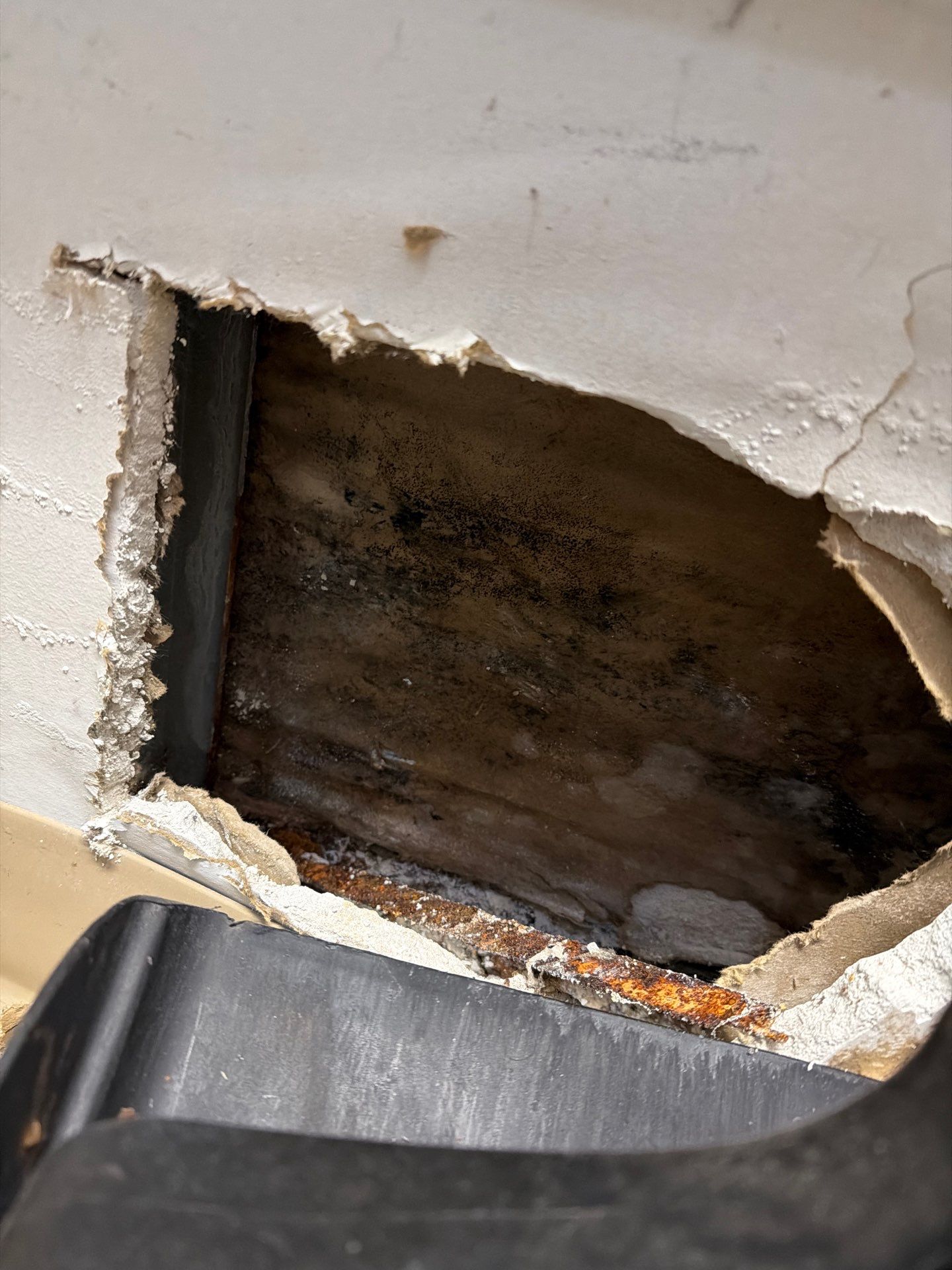
The 72-hour window after the flood is non-negotiable. Mold colonies begin forming on wet drywall and framing within 24 to 48 hours at typical basement temperatures. Extraction needs to start within hours, not days. We deploy truck-mounted extractors that pull 100 plus gallons per hour, followed by commercial air movers spaced every ten to sixteen linear feet of wall, and LGR dehumidifiers sized to the cubic footage. A standard 1,000 square foot basement dries in three to five days when the work is done right. For a full breakdown of the drying process, our guide to flooded basement cleanup, professional drying, and cost walks through each phase. If you want the broader picture of what professional water damage restoration includes from extraction through reconstruction, that service page lays out the full scope.
One last point on the table above: notice that replacement strategy is its own column. Cleanup without addressing the failure cause is wasted money. If your pump burned out at year nine, putting in the same 1/3 HP plastic unit guarantees you will repeat this exact night in seven to nine years. We recommend a 1/2 HP cast iron primary, a battery backup with a 7-amp-hour minimum, and an audible high-water alarm. That package runs $900 to $1,800 installed and is the single best insurance policy you can buy against the next storm. Pair it with an annual spring inspection (test the float, clean the basin, pour five gallons of water in to verify the cycle) and you have addressed the root cause rather than just the symptom.